

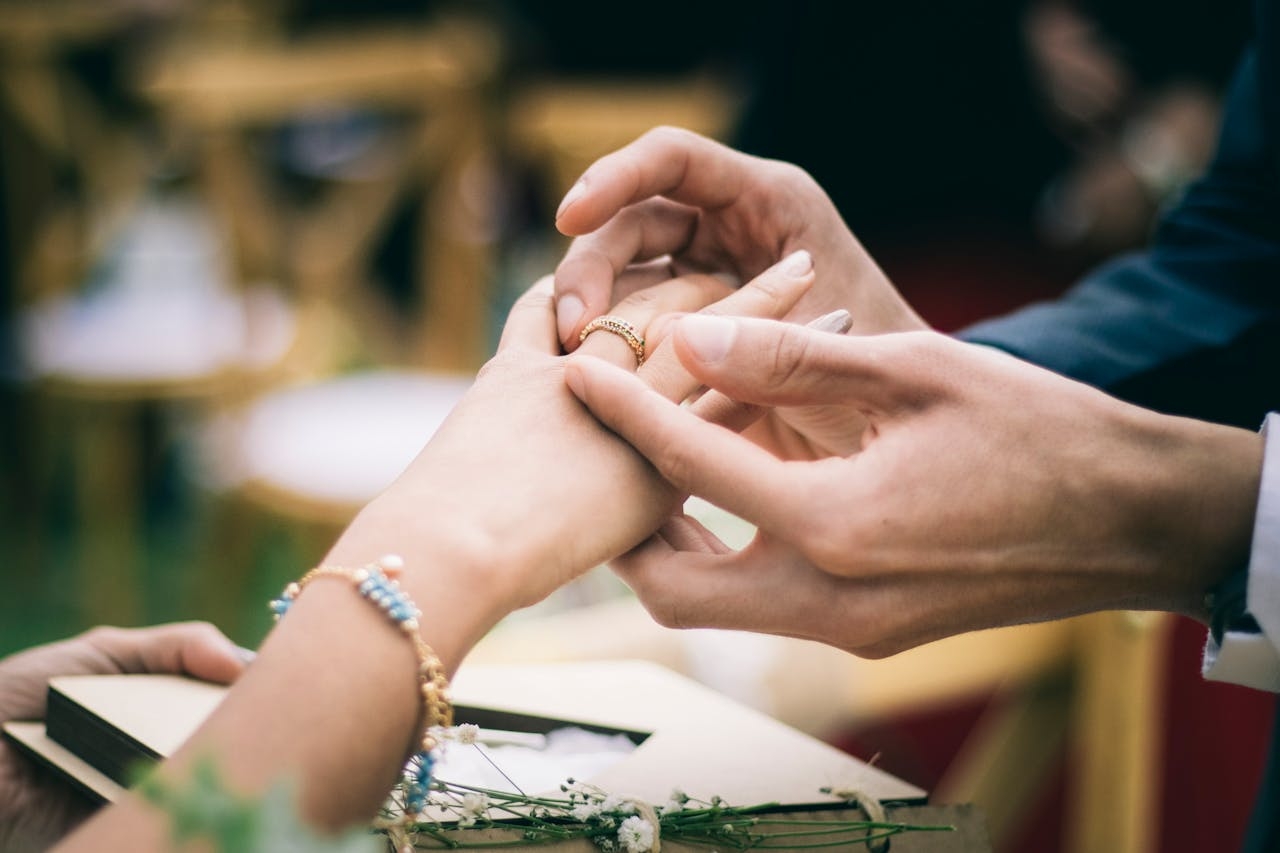
Getting married is a major life event. If one of you is a U.S. citizen and the other is not yet a lawful permanent resident, that new chapter can also bring urgent immigration questions. You may be wondering whether you can apply for a Green Card right away, whether one of you may need to leave the country, what evidence USCIS may expect to see, and what could happen if there is a mistake in the process.
For many couples in Reno and across Northern Nevada, this part of the journey feels exciting at first, then stressful very quickly. You may be trying to build a life together, protect your family’s stability, keep working, and avoid delays that could affect your future. At the same time, immigration law does not always make the next step obvious.
At Smit Law Group, we work with individuals and families facing exactly these concerns. If you recently married a U.S. citizen in Reno, this blog explains what comes next, what options are commonly considered, what evidence matters, and when it is time to get legal guidance.
Marriage Does Not Automatically Give You a Green Card
One of the most common misunderstandings we see is the belief that marriage alone changes immigration status. It does not.
Even if you are legally married to a U.S. citizen, you still need to go through the proper immigration process to apply for lawful permanent residence. In most marriage-based cases, that starts with a family-based petition and then moves into the Green Card process through adjustment of status or consular processing, depending on the facts. You will also need to show that your marriage is legally valid and was entered into in good faith, not solely for immigration purposes.
That can feel frustrating for couples who are already sharing a home, building a future, or raising children together. Still, it is important to understand this from the beginning. Marriage may open the door to a Green Card application, but it does not automatically give you one.
Do You Apply in the U.S. or Through a Consulate Abroad?
After marriage, one of the biggest questions is how to apply for a Green Card. For many couples, the process will move in one of two directions: adjustment of status or consular processing.
The right path depends on the facts of your case. It is not something you should assume based on a friend’s experience or a general online checklist. Where the noncitizen spouse is living, how that spouse entered the United States, and whether there are any immigration complications can all affect what comes next.
Adjustment of Status: Can You Stay in the U.S. While Your Case Is Pending?
Adjustment of status is the process some people use to apply for lawful permanent residence from inside the United States. This option can be appealing because it may allow a couple to stay together in the country while the case is pending instead of completing the immigrant visa process through a consulate abroad.
For many couples in Reno, that matters a great deal. You may be working, caring for children, attending school, or simply trying to keep life stable while your case moves forward.
In some cases, a person with a pending adjustment application may be eligible to apply for work authorization and, when appropriate, request advance permission to travel while the case is pending.
At the same time, not every spouse qualifies to adjust status in the United States. Eligibility can depend on how the noncitizen spouse entered the country, whether that person was inspected and admitted or paroled, the person’s immigration history, and whether there are inadmissibility issues or other legal complications that need to be addressed first.
Consular Processing: What Happens if Your Spouse Must Apply From Abroad?
Consular processing is often used when the immigrant spouse is outside the United States, or when applying for a Green Card from inside the country is not an option. In those cases, the process typically moves through a U.S. consulate or embassy abroad after the underlying petition is approved and the case is documentarily ready.
For some couples, this path is manageable. For others, it can feel more stressful because it may involve time apart, added planning, document collection, and concerns about what could happen at the interview stage. This is especially true when there are questions about prior immigration history or whether leaving the United States could trigger unlawful-presence bars or other inadmissibility issues.
The right path depends on your specific circumstances. That is why it is so important not to assume that what worked for someone else will work for you.
Couples should also keep in mind that if the marriage is less than two years old on the date lawful permanent residence is granted, the immigrant spouse will generally receive conditional permanent resident status rather than a 10-year Green Card right away. That usually means an additional filing will be required later to remove conditions and continue permanent resident status.
What Documents and Evidence Will You Need for a Marriage-Based Green Card?
Marriage-based Green Card cases often require more paperwork than couples expect. Missing documents, incomplete forms, or inconsistent information can lead to delays, requests for more evidence, or other setbacks.
The exact forms and supporting documents will depend on the case and on whether the couple is moving forward through adjustment of status or consular processing. In many situations, that may include Form I-130, Form I-130A for the spouse beneficiary, identity and civil records, financial support documents such as an Affidavit of Support, medical documentation when required, and evidence showing that the marriage was entered into in good faith. If the case proceeds through adjustment of status, additional filings may be required with USCIS. If it proceeds through consular processing, the case will also involve Department of State immigrant visa forms, civil documents, and interview preparation.
Couples will typically need documents such as the following:
- Marriage certificate
- Proof that any prior marriages were legally terminated
- Birth certificates
- Passports and identity records
- Proof of the U.S. citizen spouse’s citizenship
- Immigration records for the noncitizen spouse
- Financial support documentation
- Medical examination documentation, when required
- Documents that help show the marriage was entered into in good faith
That part of the case matters a great deal. USCIS or consular officials generally expect to see evidence that you are building a real life together and that the marriage was entered into in good faith. Depending on your situation, that may include lease agreements, utility bills, joint financial records, insurance documents, photographs, travel records, messages, and other evidence of your relationship.
Many couples in Reno and the surrounding areas worry that their case will be judged unfairly if they do not have a perfect paper trail. We understand that concern. Every relationship looks different. The goal is to present your case clearly, honestly, and with the strongest supporting evidence available.
Common Marriage-Based Green Card Mistakes That Can Cause Delays or Problems
The period right after marriage is often when avoidable mistakes happen. Couples are excited, busy, and eager to move forward. Unfortunately, small errors early on can lead to bigger problems later.
Here are some of the problems that can create avoidable delays or complications after marriage:
Assuming You Qualify Without Reviewing Eligibility First
Not every spouse can safely move forward in the same way. Immigration history, manner of entry, prior overstays, prior removals, or earlier petitions can all affect which options may be available.
Filing Forms Without a Clear Legal Plan
Many people find immigration forms online and try to piece the process together on their own. The forms are only one part of the case. The more important question is whether you are using the right process and supporting it with the right evidence.
Underestimating How Much Relationship Evidence Matters
A marriage certificate is important, but it is not enough by itself. Couples should be prepared to provide documentation showing that the marriage was entered into in good faith and that they are building a life together.
Giving Inconsistent Information
Differences between prior visa applications, immigration records, supporting documents, or interview answers can create credibility concerns that may complicate a case.
Waiting Too Long to Get Legal Help
Some couples do not reach out until they receive a request for evidence, an interview notice that raises concerns, or a denial. In many cases, earlier legal guidance could have helped them avoid those problems or prepare for them more effectively.
Worried About Your Immigration History? Do Not Assume Marriage Fixes Everything
This is often the part of the process that causes the most anxiety.
If you entered the United States without inspection, overstayed a visa, worked without authorization, have a prior removal issue, or have other complications in your record, you may worry that getting married will not help at all. In reality, these situations are often more nuanced than people expect. Some spouses of U.S. citizens may still have options, but marriage does not erase every immigration problem, and certain grounds of inadmissibility or procedural barriers can still affect whether, when, and how a Green Card case should be filed.
What looks like a straightforward marriage-based case on the surface can involve serious legal issues underneath, which is why a careful legal review before filing is so important.
That is one of the clearest reasons to speak with an immigration lawyer in Reno, NV, before moving forward. A rushed filing can create more stress, more expense, and more uncertainty. A carefully planned approach can help you better understand your risks and protect your future.
What Reno Families Should Keep in Mind During the Green Card Process
For local couples, this process is never just about forms.
You may be asking how a Green Card case could affect your ability to work, whether travel may be possible, whether your family can stay together during the process, and what happens if there is a problem in your record. If you live in Reno, Sparks, Carson City, or elsewhere in Northern Nevada, you may also be trying to balance all of this with work, housing costs, childcare, school schedules, and responsibilities to loved ones here and abroad.
That is why a post-marriage Green Card case should be approached as more than paperwork alone. For many families, language barriers add another layer of stress, which makes clear communication especially important throughout the process. It is a legal process, but it is also a family decision with emotional and financial consequences.
At Smit Law Group, we understand that these concerns are personal. Clear guidance and a thoughtful strategy can make a difficult process feel more manageable and help families move forward with greater confidence.
When Is It Time to Talk to an Immigration Lawyer?
It makes sense to seek legal guidance as early as possible if:
- You are not sure whether adjustment of status may be available
- One spouse is outside the United States
- You have a complicated immigration history
- You are concerned about unlawful presence, prior visa issues, or earlier filings
- You want help preparing a stronger marriage-based case
- You want to reduce the risk of delays, confusion, or avoidable mistakes
Even when a case seems straightforward, personalized legal advice can help you understand your options, avoid missteps, and move forward with greater confidence.
Take the Next Step With Clear Guidance: Speak With Smit Law Group Today
If you recently married a U.S. citizen in Reno, this is an important moment. The decisions you make now can affect your immigration path, your family’s stability, and how smoothly your case moves forward.
At Smit Law Group, we help couples in Reno and throughout Northern Nevada understand their options, prepare family-based immigration cases carefully, and move forward with greater clarity and confidence at every stage of the process. Whether your situation may involve adjustment of status, consular processing, questions about eligibility, or concerns about your immigration history, we are here to provide practical guidance tailored to your circumstances.
Your marriage is the beginning of a new chapter. Let us help you protect it. Contact Smit Law Group today to schedule a flat-fee consultation and learn what the next step may look like for you and your family.
Disclaimer: The articles on this blog are for informative purposes only and are no substitute for legal advice or an attorney-client relationship. If you are seeking legal advice, please contact our law firm directly.