

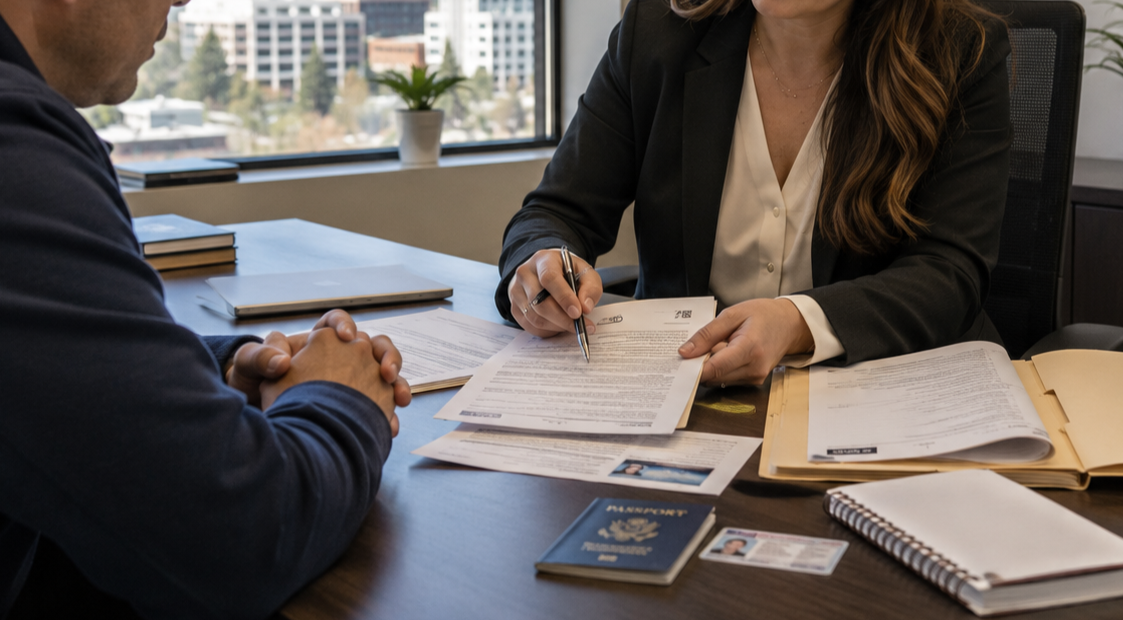
Meeting with an immigration attorney can feel like a big step, especially when your future, your family, your work, or your ability to remain in the United States is at stake. You may know you need help, but still feel unsure about what to bring, what to explain, or whether you have enough paperwork to start.
You do not need to have everything perfectly organized before you speak with an attorney. What matters most is bringing the records you have, being honest about what you remember, and giving your attorney enough information to begin reviewing your situation in context.
An initial consultation is a starting point. It gives you and your attorney the opportunity to review your history, look at the documents you have, identify concerns that need attention, and talk through the next step with more clarity.
At Smit Law Group, we know that immigration issues often affect every part of a person’s life. Whether you are in Reno, Sparks, Carson City, Washoe County, or elsewhere in Northern Nevada, the records you bring can help us understand the full picture from the start.
Why the Right Documents Can Make Your Immigration Consultation More Useful
Immigration cases often turn on facts, dates, records, and details. Even small pieces of paperwork can help explain where you have been, what applications have already been filed, whether deadlines are approaching, and what issues need closer attention.
Documents also help reduce guesswork. Many people come to a consultation with understandable uncertainty. They may not remember the exact date they entered the United States, the name of a past form, or whether a family member filed something years ago. That is normal. When you bring what you have, we can use those records to help piece together a clearer picture.
The goal is not to overwhelm you with paperwork. It is to help the consultation focus on the facts that matter most.
Bring Documents That Show Who You Are and How You Came to the United States
If you have them, bring documents that show who you are, how you entered the United States, and your immigration status history. These records can be especially important for family-based immigration, Adjustment of Status, Consular Processing, naturalization, removal defense, and other immigration matters.
Helpful documents can include:
- Passport: Bring your current passport and any expired passports that contain visas, entry stamps, or travel history.
- Visa documents: Bring copies of any visas you used to enter the United States.
- I-94 record: If you were admitted or paroled into the United States, your I-94 can help show your arrival information and status history.
- Green Card or work permit: Bring your lawful permanent resident card, employment authorization document, or any prior cards, even if they are expired.
- Social Security card: Bring this if you have one.
- State ID or driver’s license: A Nevada ID, driver’s license, or other identification can help confirm your current information.
If possible, bring copies along with any originals. That makes it easier to review the records while keeping important documents safe.
If you do not have one of these documents, do not let that stop you from scheduling a consultation. Many immigration matters begin with incomplete records. What matters is being honest about what you have, what you do not have, and what you remember.
Bring Any USCIS, Immigration Court, or ICE Paperwork You Have Received
If you have ever filed an immigration application, received a notice, attended immigration court, or had contact with USCIS, ICE, CBP, or another immigration agency, bring those records to the consultation. These documents are important because they often show deadlines, case numbers, hearing information, prior decisions, and where your case stands now.
Helpful paperwork can include:
- USCIS receipt notices
- Biometrics notices
- Requests for Evidence
- Notices of Intent to Deny
- Approval or denial notices
- Notices to Appear
- Immigration court hearing notices
- Orders from an immigration judge
- Board of Immigration Appeals documents
- ICE paperwork
- Detention or bond documents
- Prior attorney correspondence
- Copies of applications already filed
This is especially important if you have a pending case, a missed hearing, a prior denial, or a removal order. Immigration deadlines can affect what options are available, and a notice that looks routine can contain information that needs prompt attention.
Bring Family Records That Help Explain Your Immigration Options
Many immigration cases involve family relationships. If your case involves a spouse, fiancé, parent, child, sibling, or another family member connected to your immigration options, bring documents that help explain that relationship.
These can include:
- Marriage certificate
- Divorce decrees from prior marriages
- Birth certificates
- Adoption records
- Custody or guardianship orders
- Proof of a spouse’s, parent’s, or child’s immigration status
- Photos, joint bills, lease agreements, tax returns, or other records showing a shared life
For some families, immigration and family law issues overlap. A custody order, divorce filing, guardianship application, or child support matter can be relevant to understanding the full situation. Because Smit Law Group handles both immigration and family law matters, we can review how these issues connect for families in Nevada and determine which records are important to your situation.
Bring Criminal or Court Records, Even if the Case Was Dismissed
If you have ever been arrested, cited, charged, convicted, placed on probation, or required to appear in court, bring as much documentation as possible. This includes records from Nevada, another state, or another country.
Many people feel nervous or embarrassed about discussing criminal history. We understand that. Still, it is better to raise these issues early. Immigration forms and interviews often ask about more than the final result of a criminal case, so arrests, citations, charges, dismissed cases, sealed matters, older offenses, and minor court matters should be discussed during the consultation.
Helpful documents include:
- Police reports
- Criminal complaints
- Court dispositions
- Sentencing records
- Probation records
- Expungement or sealing orders
- Traffic or DUI records
- Records from juvenile court, if available
If you are not sure whether a record matters, bring it to the consultation. It is better to review it early than to have it come up for the first time during a filing, interview, court matter, or response to a government notice.
Bring Records That Show Your Life, Work, and Ties in Nevada
Depending on the type of immigration matter, records related to work history, education, community ties, hardship, good moral character, or long-term presence in the United States can help complete the picture. Not every case requires the same evidence, but these records can give us important context when they are relevant.
Helpful records can include:
- Pay stubs or employment letters
- Tax returns or W-2s
- School transcripts or enrollment records
- Medical records, if health issues are relevant
- Lease agreements, utility bills, or mortgage records
- Letters from a church, volunteer organization, employer, school, or community member
- Evidence of caregiving responsibilities
- Records showing how long you have lived in Nevada or the United States
For people living in Reno and across Northern Nevada, these records can help show the life you have built here. They can also help us understand the practical impact an immigration problem could have on your family, employment, housing, and future.
Bring Any Notice With a Deadline Right Away
If you received a notice with a deadline, bring it to your consultation right away. Do not wait because you are unsure whether it is important.
This includes USCIS deadlines, Immigration Court hearing dates, ICE check-in notices, Requests for Evidence, appeal deadlines, and any notices or letters asking you to respond by a specific date.
Missing a deadline can create serious problems, so it is important to have the notice reviewed as soon as possible.
If you are not sure whether the deadline has already passed, bring the notice to your consultation anyway. The first step is understanding exactly what happened and when, then discussing what can be done next.
What if You Do Not Have Every Document?
You can still meet with an immigration attorney if your documents are missing, incomplete, or hard to find. Many people do not have full copies of old filings. Others left documents behind, lost them during a move, or never received copies from a prior attorney or family member.
Bring what you have, even if it feels incomplete. If possible, write down important dates, including when you entered the United States, when you last traveled, when you filed prior applications, and whether you ever appeared in immigration court. If you do not know exact dates, approximate dates can still help begin the conversation.
A consultation is not about judging what is missing. It is about understanding your history, identifying what information matters, and deciding what can be done next. The more complete the information is, the more focused the conversation can be, but you can still begin even if some records are missing.
Talk With a Reno Immigration Attorney Before Taking the Next Step
Immigration paperwork can be confusing, especially when one missing record, unanswered notice, or misunderstood deadline can affect the direction of your case.
Before you file an application, respond to a government notice, leave the United States, or assume you have no options, it is worth speaking with an attorney who can review your specific history, deadlines, and records.
Attorney Margaretha “Greta” Smit and the team at Smit Law Group help individuals and families in Reno, Sparks, Carson City, Washoe County, and throughout Northern Nevada understand their immigration options with clarity and care. We know these cases are deeply personal, and we take the time to review the details that can shape the next step.
If you are preparing for an immigration consultation in Reno, gather the documents you have and contact Smit Law Group. We can help you understand what those records mean and how to approach the next step based on your actual circumstances.
To get started, use our online contact form to schedule a consultation with Smit Law Group.
Disclaimer: The articles on this blog are for informative purposes only and are no substitute for legal advice or an attorney-client relationship. If you are seeking legal advice, please contact our law firm directly.